
Common Dental Problems Restorative Dentistry Can Fix
When dental problems arise, they affect far more than the look of your smile—they can impact how you eat, speak, and feel day to day. Restorative dentistry is designed to repair damage, relieve discomfort, and help you regain a healthy, comfortable, and confident smile. If you are dealing with pain, broken or missing teeth, or old dental work that is failing, seeing a restorative dentist is an important next step.
Restorative dentistry focuses on diagnosing, repairing, and rebuilding teeth that are decayed, damaged, or missing. It blends function and aesthetics through treatments such as fillings, crowns, bridges, implants, and dentures, all aimed at restoring proper chewing, speaking, and appearance.
Cavities and tooth decay
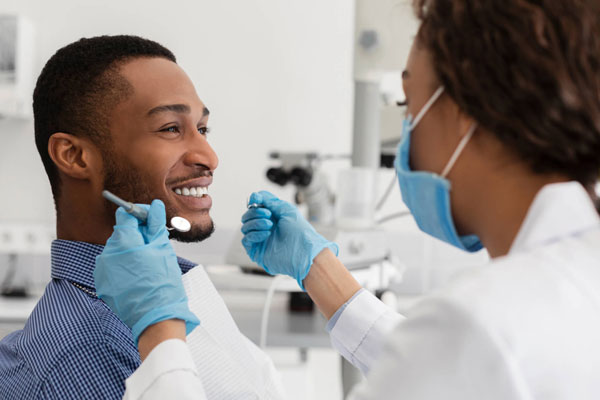
Cavities are one of the most common dental issues worldwide. They develop when plaque and bacteria produce acids that weaken tooth enamel and eventually create holes in the tooth. Left untreated, decay can spread deeper, leading to pain, infection, or even tooth loss.
How restorative dentistry helps:
• Tooth-colored fillings repair small to moderate cavities and restore strength and appearance.
• In more extensive cases, inlays, onlays, or crowns may be used to rebuild and protect the tooth.
Regular dental visits help catch decay early so treatment can stay as conservative as possible.
Chipped, cracked, or broken teeth
Teeth can chip, crack, or fracture because of accidents, biting hard objects, sports injuries, or chronic teeth grinding. Besides affecting your smile, these problems can cause sensitivity, pain, and make teeth more vulnerable to further damage or infection.
How restorative dentistry helps:
• Small chips may be smoothed or repaired with bonding.
• Larger cracks or broken areas often require crowns or onlays to restore strength and function.
Addressing damage promptly prevents fractures from worsening and helps preserve as much natural tooth as possible.
Missing teeth
Missing teeth can make it harder to chew and speak clearly and may lower your confidence when you smile. Over time, gaps can cause neighboring teeth to shift and the jawbone in the area to shrink, changing your bite and facial support.
How restorative dentistry helps:

• Dental implants can replace individual teeth or support bridges and dentures.
• Bridges use neighboring teeth to fill a gap with a natural-looking replacement tooth.
• Partial and full dentures restore multiple missing teeth and improve chewing and appearance.
Replacing missing teeth promptly helps maintain jawbone health and prevents future bite problems.
Worn or flattened teeth
Teeth can become worn down from bruxism (grinding or clenching), an imbalanced bite, or frequent exposure to acidic foods and drinks. Worn teeth may look shorter, feel sensitive, and contribute to jaw discomfort or bite issues.
How restorative dentistry helps:
• Bonding, veneers, or crowns can rebuild tooth shape and height.
• Night guards may be recommended to protect teeth from further grinding.
Restoring worn teeth improves function, comfort, and the overall balance and appearance of your smile.
Infected teeth and root canals
When decay or injury reaches the inner pulp of the tooth, it can cause a painful infection. Symptoms may include severe toothache, swelling, or lingering sensitivity to hot or cold. If not treated, the infection can spread and lead to tooth loss or other complications.
How restorative dentistry helps:
• Root canal therapy removes infected tissue, disinfects the inside of the tooth, and seals it.
• A crown is often placed afterward to strengthen and protect the tooth.
Modern root canals are more comfortable and efficient than many people expect, and they can save teeth that might otherwise need extraction.
Failing or damaged restorations
Crowns, fillings, and bridges do not last forever. Over time, they can chip, crack, loosen, or leak, leading to discomfort, difficulty chewing, or new decay around the edges.
How restorative dentistry helps:
• Damaged fillings and crowns can be replaced with new, better-fitting restorations.
• Leaking or loose restorations are evaluated and repaired or remade before more serious problems develop.
Routine checkups make it easier to catch and fix issues with older dental work early.
Prevention still matters
While restorative dentistry can repair many types of damage, prevention remains the best strategy. A consistent home care routine and regular dental visits reduce the risk of decay, fractures, and other problems.
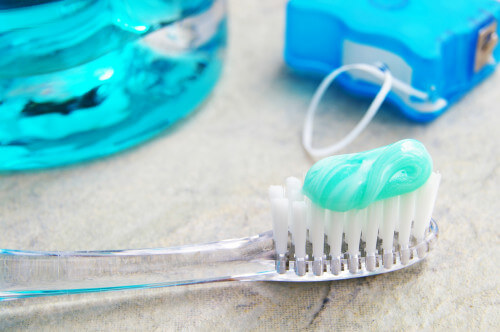
Simple steps include:
• Brushing twice a day with fluoride toothpaste
• Flossing daily
• Using mouthwash if recommended
• Avoiding chewing on ice or hard objects, and not using teeth as tools
• Wearing a night guard if you grind or clench your teeth
Restorative dentistry in Middleburg, VA
If you are dealing with cavities, broken or worn teeth, missing teeth, or old dental work that needs attention, you do not have to live with discomfort or hide your smile. At Middleburg Smiles in Middleburg, VA, our team provides personalized restorative dentistry for patients from Middleburg, Aldie, Ashburn, Upperville, The Plains, Philomont, Purcellville, Marshall, Leesburg, and throughout Loudoun County. Whether you need a simple filling or a more comprehensive plan to rebuild and restore your teeth, contact our office to schedule a consultation and explore the best options for getting your smile—and your confidence—back.