
When Is It Smart to Remove Wisdom Teeth? A Guide for Middleburg Patients
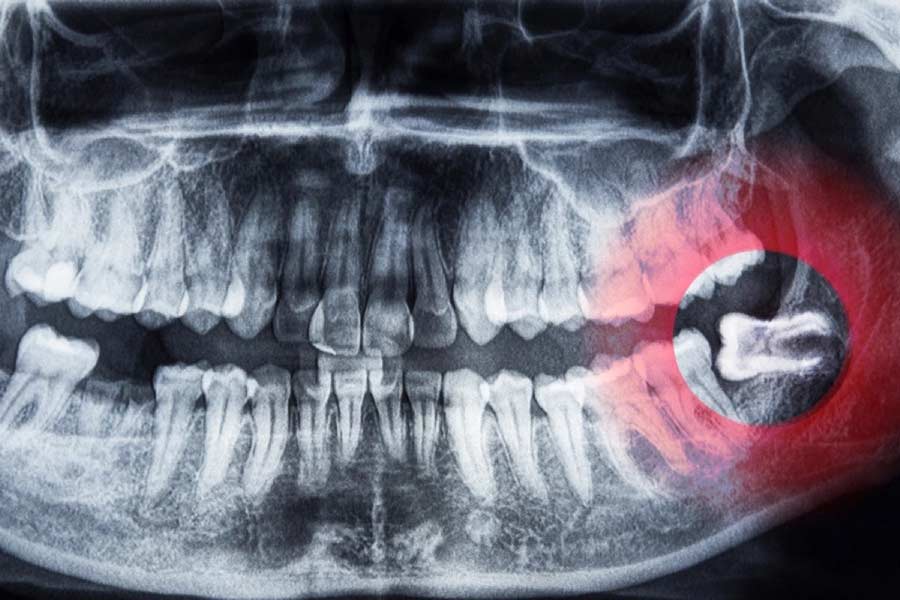
Not long ago, wisdom teeth removal was almost a rite of passage. Today, many dentists take a more measured approach: keep a close eye on third molars and recommend extraction only when there is a clear reason. At Middleburg Smiles, we take that same thoughtful approach for patients in Middleburg, VA and across Loudoun County. If your wisdom teeth are healthy and well positioned, there may be no need to remove them. But in some cases, keeping your wisdom teeth just isn't that wise.
What Are Wisdom Teeth, and When Do They Come In?
Wisdom teeth are your third molars, the last teeth to develop at the very back of your mouth. Your baby teeth are already formed below the gums at birth and start coming in around six months of age. Wisdom teeth are different. They begin developing later in childhood, are usually visible on an X-ray by the teen years, and typically start pushing through the gums in the late teens or early twenties.
They earned the nickname "wisdom teeth" because they arrive at an age when we are a little older and, ideally, a little wiser.
Why Do We Have Wisdom Teeth at All?
Thousands of years ago, human diets were much tougher and coarser than they are today. An extra set of molars gave our ancestors more chewing power, and those back teeth often came in just as the others were starting to show signs of wear.
Once people began farming, raising animals, and cooking more of their food, diets became softer and easier to chew. Over many generations, human jaws became smaller, which is why many people today simply don't have enough room for wisdom teeth to come in comfortably. It is also common for people to develop fewer than four wisdom teeth, and some never develop any at all.
Wisdom Teeth Removal in Middleburg, VA: Watch or Extract?
Removing wisdom teeth as a preventive measure used to be standard practice. Now, many dentists prefer to monitor them and recommend removal only if they cause problems or are likely to. You can read more about wisdom teeth from the American Dental Association.
As your wisdom teeth start to come in, you may feel some pressure or mild discomfort, a lot like teething when you were young. At your regular checkups and cleanings, we look for signs that your wisdom teeth are developing properly and take X-rays as needed to make sure they are in the right position.
Signs Your Wisdom Teeth May Need to Come Out
If your third molars aren't coming in the way they should, extraction may be the healthier choice. Here are a few common reasons:
- They are impacted. An impacted tooth is blocked from fully emerging through the gum. It may be lying on its side or sitting too close to a neighboring tooth to come in completely. Impacted wisdom teeth can damage nearby teeth and their roots and contribute to bone loss.
- Tooth decay. Wisdom teeth sit so far back that they can be hard to clean well, especially when they have only partially come through. Trapped food gives bacteria a place to grow and create cavities.
- Infection. When a tooth only partly breaks through the gum, bacteria can get trapped and work down into the surrounding gum (periodontal) pocket. Left untreated, this infection can lead to pain, swelling, jaw stiffness, gum disease, and bone loss.
What to Expect from Wisdom Tooth Extraction
Wisdom teeth are usually removed under local anesthesia, with mild sedation or general anesthesia in some cases, depending on your situation. If you will be sedated, plan to have someone drive you to and from your appointment. The procedure itself is relatively straightforward and generally doesn't take long. Learn more about our tooth extraction services.
For many families in Middleburg and nearby Loudoun County towns, a school break can be a convenient time to schedule wisdom tooth removal, giving teens and college students a few relaxed days at home to recover.
Recovery Tips After Wisdom Teeth Removal
You will go home with post-op instructions, and in some cases an antibiotic or pain reliever may be prescribed. To help your healing go smoothly:
- Stick to softer foods for a few days.
- Avoid citrusy or spicy foods and alcohol, which can delay healing.
- Skip straws and smoking. The suction they create can keep a blood clot from forming or pull it out of the socket.
- Rinse gently. Vigorous rinsing with water or mouthwash can also dislodge the clot.
Watch for Signs of Dry Socket
When the blood clot is lost or doesn't form properly, it can lead to a painful condition called dry socket, one of the more common complications after wisdom tooth removal. While the exact cause isn't fully understood, the pain can be intense. If you think you may have a dry socket, call our office right away.
Questions About Your Wisdom Teeth? We're Here to Help
If you still have your wisdom teeth, rest assured we will keep watching their growth and position at every visit. Whether you live in Middleburg, The Plains, Purcellville, or Leesburg, our team is happy to answer your questions and help you decide what is right for your smile.
Ready to talk about your wisdom teeth? Schedule an appointment or evaluation with Middleburg Smiles today.