
Teeth Whitening Options in Middleburg, VA: What Actually Works
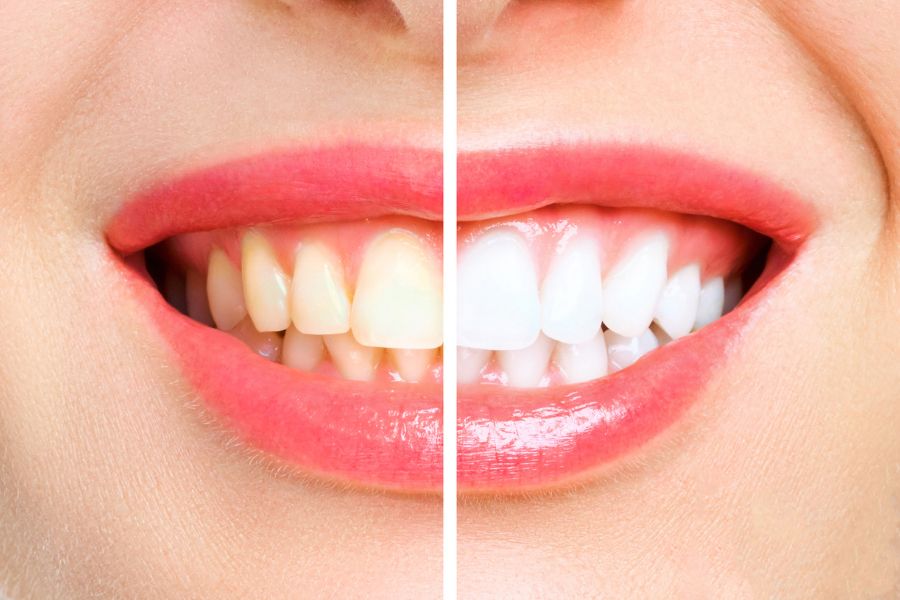
Teeth whitening is one of the most requested cosmetic treatments we see at our Middleburg, VA practice, and for good reason: it's one of the fastest ways to freshen up a smile. But getting the result you actually want starts with figuring out why your teeth look dark in the first place. Whitening works beautifully for some kinds of staining and not at all for others, so matching the treatment to the cause matters more than picking the strongest product on the shelf.
Why Are My Teeth Discolored?
When all of your teeth have darkened evenly, the cause is usually something you've been exposed to over time: dark-colored foods and drinks like coffee, tea, and red wine, tobacco use, or antibiotics taken in childhood. Genetics plays a role too, since some people naturally have darker enamel than others. If it's just one or two teeth that look dark, the cause is usually more localized: past trauma, a root canal, an old filling, or crowding that's made a tooth harder to keep clean.
Matching the Treatment to the Cause
If you're hoping to go a few shades lighter, whitening is usually a great option, including for teeth that have darkened after a root canal. But if you're looking for a dramatic change from a very dark starting point, whitening often won't get you there on its own. This is especially true for tetracycline staining and naturally dark teeth, where restorative options like veneers or crowns tend to give a more predictable result.
Your Teeth Whitening Options
In-office whitening. This gets you the fastest results, using a higher-concentration gel applied in a single office visit, often paired with take-home trays to extend the effect.
At-home whitening from your dentist. Either with custom-fitted trays made just for your mouth or dispensable trays, both paired with a professional-strength gel. Most patients see their desired result within 10 to 14 days, though light staining can lift in as little as a few days and more intense staining takes longer.
Internal whitening. For teeth that have discolored from the inside after a root canal, this in-office option can be used alone or combined with external whitening.
Over-the-counter whitening. Recognized drugstore brands tend to be reliable, though they typically skip the desensitizing ingredients that help prevent soreness. Whitening products sold online vary more widely in quality, so it's worth sticking with established, reputable brands rather than unfamiliar sellers.
Whitening toothpaste. These can help remove surface stains through mild polishing action, and some contain a small amount of peroxide as well. Because they're only in contact with your teeth for the length of a normal brushing, though, they generally can't produce the kind of change in shade that in-office or take-home whitening can.
Restorative options. For teeth that are too discolored to respond well to whitening, veneers or crowns can restore a more even, consistent shade.
What to Expect: Sensitivity and Other Considerations
Sensitive teeth or gums are the most common side effect of whitening. Gum irritation usually happens when whitening gel contacts the gum tissue itself, which is why properly fitted trays and careful application matter. If your gums do become irritated, it's worth checking with our office about soothing options. Tooth sensitivity is more common with over-the-counter products, since dentist-dispensed gels typically include desensitizing ingredients, though some sensitivity can still occur even with those. If your teeth become sensitive during treatment, stop and give us a call. Patients with already sensitive teeth may want to talk through whether whitening is the right fit before starting.
A few other things worth knowing: existing fillings, crowns, and veneers won't change color with whitening, so if your natural teeth match a restoration now, whitening will make your natural teeth lighter than the restoration, something to plan around if you have visible dental work. And as a general precaution, most dentists recommend holding off on whitening treatments during pregnancy. Beyond these considerations, whitening is a safe, effective, and relatively affordable way to brighten a smile for most patients.
Curious which whitening option is right for you? Schedule a consultation with Middleburg Smiles today.