
Is DIY Teeth Whitening Safe? What Middleburg, VA Patients Should Know
Your smile is one of the first things people notice about you, so it's no surprise that teeth whitening is such a popular way to freshen up your appearance. But before you try one of the viral at-home whitening hacks making the rounds online, it's worth knowing that many DIY methods do more harm than good. For patients at our Middleburg, VA practice and around Loudoun County, here's what to know before trying one yourself.
DIY videos are great for learning a new recipe or craft, but they're not the place to get health advice. Always check with a qualified professional before trying a trend that could put your health at risk, DIY dental treatments in particular can cause damage that isn't reversible.
Your teeth run into plenty of staining culprits every day: coffee, tea, wine, dark soda, tomato-based sauces, soy sauce, balsamic vinegar, tobacco, and vaping can all leave their mark. Giving all of that up can feel unrealistic, which is exactly why professional whitening at a dental office is worth considering. It can lift these stains effectively without the risks that come with DIY approaches.
Popular DIY Teeth Whitening Ingredients
• Activated charcoal
• Kaolin clay
• Fruit peels and mashed fruit
• Baking soda
• Apple cider vinegar
Part of the appeal of these methods is that they're marketed as natural or organic, words that tend to signal "safe" to consumers, even when that's not actually the case. These ingredients may lighten teeth somewhat, but they can also cause real damage in the form of erosion and abrasion.
Erosion
Tooth erosion is damage to the tooth surface from acid or chemical exposure. Enamel, the protective outer layer of your teeth, is what takes the hit. As enamel erodes, teeth often become more sensitive, especially to hot and cold, and ironically tend to look more discolored, not less, while also becoming more vulnerable to other dental problems. Applying apple cider vinegar or acidic fruit directly to teeth is a common way this happens. Professional whitening doesn't cause erosion and produces noticeably better, longer-lasting results.
Abrasion
Activated charcoal and baking soda are two of the most popular DIY whitening ingredients, and while they seem harmless enough sitting in your kitchen cabinet, both are abrasive to enamel when used too often or in large amounts. The American Dental Association has stated there's no evidence charcoal-based dental products are safe or effective, and using anything too abrasive can actually make teeth look more yellow by wearing through the enamel to the dentin underneath. Dentists do use controlled abrasion techniques to remove surface stains, but they're trained to do it safely. Without that training, it's easy to cause real damage attempting the same thing at home.
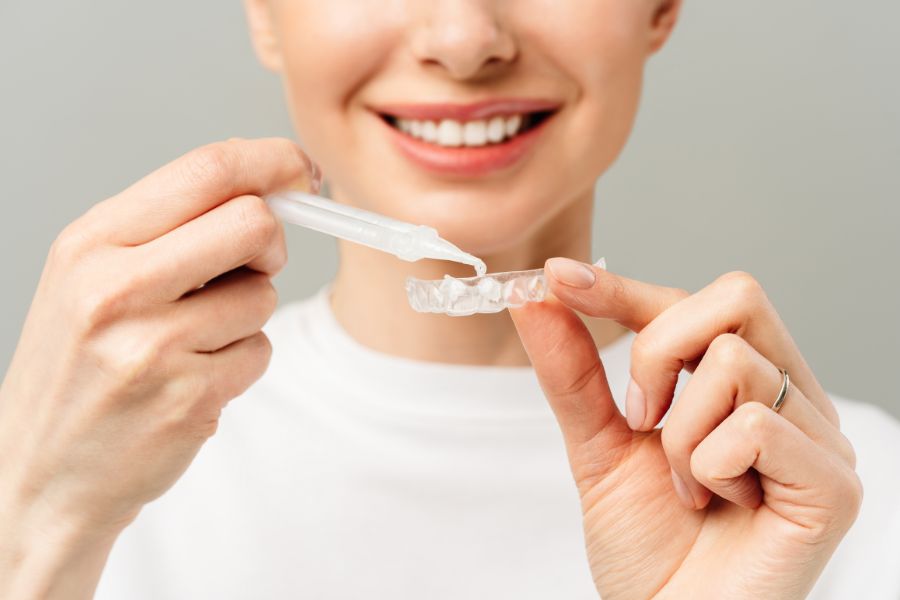
DIY whitening can also turn into a cycle: people try a method, see a little improvement, and repeat it more often or more aggressively chasing a bigger result, which only increases the risk of damage. Take-home whitening kits from a dental office, or over-the-counter products carrying the ADA Seal of Acceptance, are safe, effective ways to brighten your smile at home.
Ready for a whiter smile without the DIY risks? Schedule a teeth whitening consultation with Middleburg Smiles today