
Fluoride: Nature's Cavity Fighter
You've probably heard a dentist mention how important fluoride is for your teeth, but it's worth understanding exactly why. For patients at our Middleburg, VA practice and around Loudoun County, here's a look at what fluoride does and the easiest ways to make sure you're getting enough of it.
Fluoride is a naturally occurring mineral that makes tooth enamel more resistant to acid, which helps prevent and even reverse early tooth decay. It's beneficial before teeth erupt, fluoride from food and beverages strengthens developing enamel, and it stays just as useful afterward, helping remineralize weakened enamel and reverse early decay.
Common Fluoride Sources
Water: Natural water sources, rivers, lakes, wells, the ocean, all contain some fluoride, though the amount varies quite a bit. For about 80 years, many public water systems in the U.S. have added fluoride to reach the level shown to help prevent decay, and it's been one of the more effective public health measures for oral health. According to the CDC, roughly 87% of the U.S. population is served by a community water system, and about 72% of that group receives fluoridated water, so it's worth checking whether your own water source is fluoridated before assuming your tap water is covering this for you.
Toothpaste and mouthwash: Fluoride toothpaste has been on the market since the 1960s, but not every toothpaste contains it, so look for the ADA Seal of Acceptance to confirm you're getting the full benefit. Adding a fluoride mouthwash gives extra protection, however, never give fluoridated mouthwash to children under 6. Their reflexes aren't developed enough yet to reliably avoid swallowing it.
Fluoride supplements: Available only by prescription, in tablets, drops, or lozenges, these are sometimes recommended for children between 6 months and 16 years old who are at high risk of decay and live where the water supply doesn't have much fluoride. The right dose depends on age and your local water's fluoride level, so this is a conversation to have with your dentist, not something to start on your own.
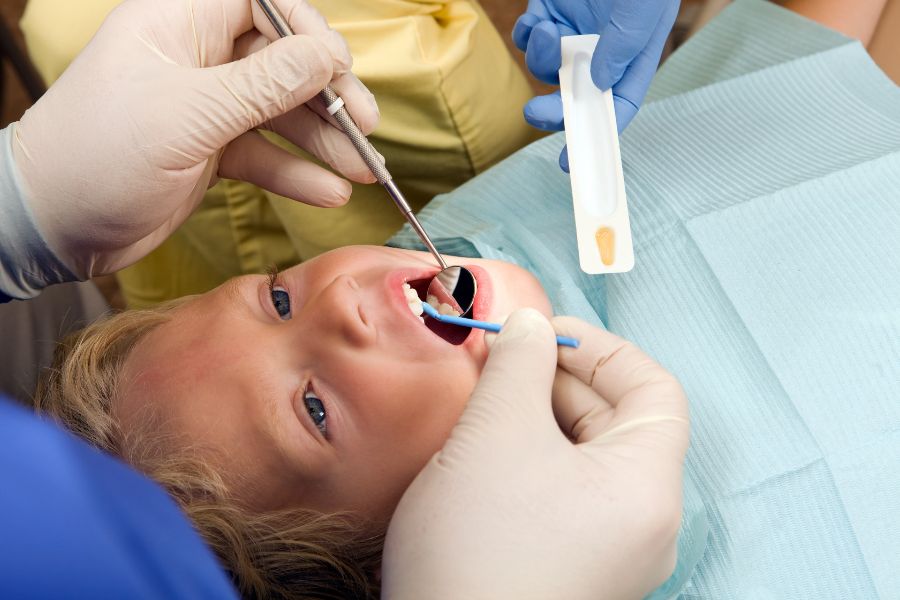
Professional fluoride treatment: If you have a history of cavities or a higher risk of developing them, your dentist may recommend an in-office fluoride treatment, applied directly to your teeth as a gel, foam, or rinse.
Fluoride is one of the simplest, most effective tools we have against tooth decay. Making sure you and your family have a reliable source of it is an easy way to help keep smiles healthy.
Not sure if you're getting enough fluoride? Schedule a visit with Middleburg Smiles and we'll help you figure it out.