
Do Dentures Affect Nutrition? What Middleburg Patients Should Know
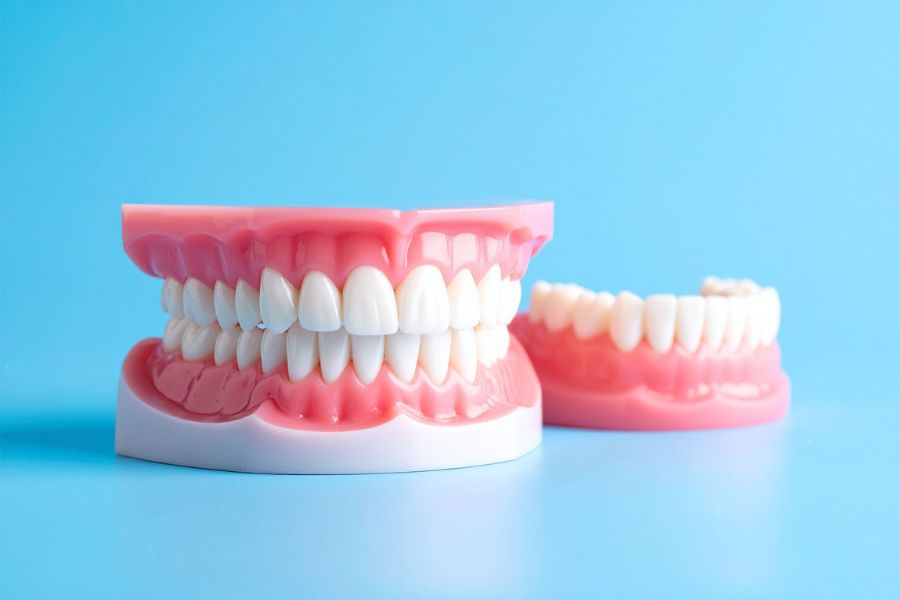
If you wear dentures, your nutrition is worth paying closer attention to. Research has found that denture patients often show lower nutrition markers than they had before getting dentures. Since dentures don't chew quite as efficiently as natural teeth, many patients end up adjusting their eating habits once they start wearing them. For patients at our Middleburg, VA practice and around Loudoun County, here's what to know and how to keep your nutrition on track.
Dentures have helped countless people with tooth loss regain the ability to eat, speak, and smile with confidence, and they've been around far longer than most people realize. The earliest record of denture-like appliances dates back to the 7th century BC, when the Etruscans fashioned them from human or animal teeth. Denture technology has come a long way since then, and modern dentures don't just restore a beautiful smile, they create a genuinely stable chewing surface.
Denture-Wearers Have Lower Nutrition Markers
A study published in the Journal of Prosthodontics found that patients who had worn dentures for two years showed significantly lower nutrition markers in certain areas compared to before they started wearing them. If you're new to dentures, it's worth keeping an eye on your nutrition to avoid slipping into deficiency over time.
Poor-fitting dentures make this worse. When the chewing surface is unstable, foods that take real effort to chew, fruits, vegetables, whole grains, get avoided, and those food groups are exactly where a lot of key nutrients come from.
Denture-Friendly, Nutrient-Rich Foods
- Eggs
- Cottage cheese
- Broiled fish
- Meatloaf
- Applesauce
- Soft fruits (bananas, melon, berries)
- Oatmeal
- Potatoes
- Pasta
- Rice
Tips for Eating Well With Dentures
Sit down for meals: Rushing through a meal often means skipping thorough chewing. Sitting down and chewing deliberately helps you get the full nutritional value out of what you eat.
Cut food into small pieces: Smaller pieces mean less work for your jaw to break them down.
Have a beverage with meals: Cereal and whole grain bread are staples for a reason, but they tend to stick to teeth. A drink alongside them makes chewing and swallowing easier.
Chew evenly on both sides: Most people naturally favor one side, usually matching their dominant hand. Making a conscious effort to chew evenly on both sides is especially helpful for denture-wearers.
Go easy on tough meats: Red meat can be a challenge with dentures, though it's not necessarily off-limits, slow-cooking it or working it into a stew can make it much easier to manage. Poultry, fish, eggs, and legumes tend to be simpler options.
Skip sticky and chewy foods: Caramel, taffy, peanut butter, and dried fruit can stick to the denture and pull it out of place.
You can absolutely get all the nutrients you need with dentures, it just takes a little extra planning. If certain foods are hard to enjoy because your dentures aren't fitting well, that's worth addressing directly rather than working around it.
Struggling to eat comfortably with your dentures? Schedule an appointment with Middleburg Smiles and we'll make sure they fit the way they should.