
Are Veneers Right for You? A Guide for Middleburg, VA Patients
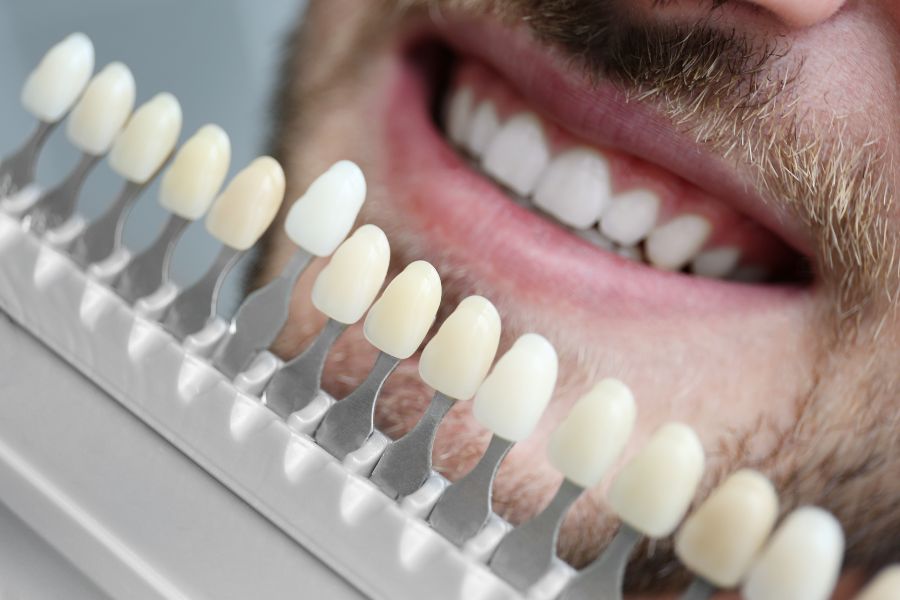
If you're looking for a non-invasive way to improve the shape of your smile, veneers might be worth considering. Veneers are thin shells of porcelain or composite resin placed over the front of your teeth, and they require only a small amount of tooth structure to be removed, making them a good fit for patients looking to change the appearance of one tooth or a few. For patients at our Middleburg, VA practice and around Loudoun County, here's what to know about whether veneers make sense for your smile.
What Veneers Can Fix
• Significantly stained teeth that haven't responded to traditional whitening
• Chipped teeth that are otherwise structurally sound
• A few slightly crooked teeth, for patients who'd rather skip orthodontic treatment
• Gaps between healthy teeth that don't require a full crown
One thing worth knowing upfront: veneers generally aren't recommended for patients who clench or grind their teeth, since the thin shells are more prone to chipping, cracking, or peeling under that kind of pressure. If that applies to you, your dentist may want to address the grinding first or discuss whether veneers still make sense for your situation.
Types of Veneers
There are two main types: porcelain and composite resin.
Composite resin veneers are made from the same material used in tooth-colored fillings. Direct composite veneers are shaped right on your teeth in a single visit, while indirect composite veneers are made outside your mouth by your dentist or a lab. Composite veneers usually require removing less tooth structure, tend to cost a bit less than porcelain, and are quicker to repair if something chips.
Porcelain veneers follow a similar process to indirect composite veneers, impressions are taken after your teeth are prepared, and the veneers are cemented into place once they're ready. Porcelain is generally stronger than composite and resists staining better over time.
What to Expect During Treatment
For direct composite veneers, your dentist may start with a digital scan or plaster model to preview your new smile before any changes are made. Once you've settled on a final shape and shade, your dentist will lightly shape the existing tooth or teeth, sculpt the composite material directly onto the tooth, and harden it with a curing light before making final adjustments and polishing it to look natural.
Indirect composite and porcelain veneers follow a similar path: your dentist prepares your teeth, takes impressions, and sends them off to be crafted, sometimes by hand, sometimes with a 3D printer. Once ready, they're cemented into place, adjusted as needed, and polished to a natural shine.
Caring for Your Veneers
Veneers can still chip or crack, so it's worth avoiding nail-biting and biting into hard candy or ice, regardless of the material. Keeping up with regular exams also matters, your dentist will check that your veneers still fit tightly and haven't developed small fractures over time.
One more thing worth keeping in mind: veneer placement should always be done by a licensed dentist. The ADA has recently warned patients about unlicensed "veneer technicians" advertising on social media, dental procedures like this are irreversible once your tooth structure is altered, and treatment from an unlicensed provider carries real risk of lasting damage.
Think veneers might be right for your smile? Schedule a consultation with Middleburg Smiles and we're happy to answer your questions.